Prosperous Future
Funding for civil society co-operation in the Nordic-Baltic region.

Co-operation with the Baltic countries has been a key part of the Nordic Council of Ministers’ work since 1991, with offices in Estonia, Latvia and Lithuania serving as key hubs.
Co-operation with countries to the East and via the Baltic offices is an important part of the Nordic Council of Ministers’ international work. In close collaboration with the Baltic republics, we draw up and implement initiatives in multiple areas, including culture, energy, the environment, digitalisation, health, research, and education. Resilience and preparedness – in all their forms – have become increasingly important in an unstable world. We promote democratic resilience by supporting the spread of democracy, freedom of expression, public debate, and active participation by young people.
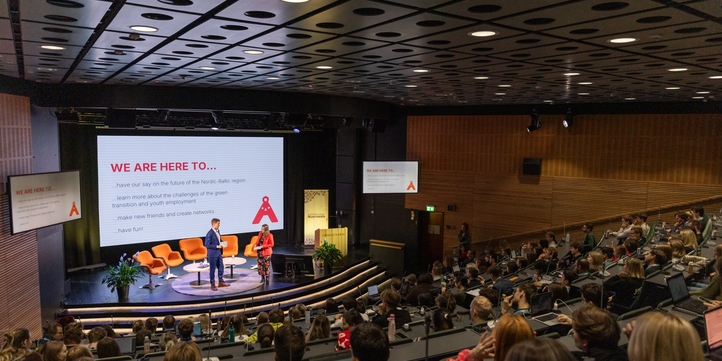
We support civil society through voluntary organisations, including programmes like Prosperous Future and the Nordic Media Grant Programme for Belarus, which supports media organisations in exile. The Nordic and Baltic youth councils also run and develop the Nordic-Baltic Youth summits, which are establishing themselves as important platforms for dialogue on issues that concern younger generations.
35 years of Nordic-Baltic co-operation: Together we are stronger
For 35 years, Nordic-Baltic co-operation has been built on trust, mutual respect and shared beliefs in democracy, peace and stability. When the Nordic Council of Ministers opened offices in the Baltic capitals in 1991, we were among the first international bodies to support the newly independent republics. The offices laid the foundations for co-operation based on solidarity, a sense of affinity, and shared goals.
Since then, our co-operation has developed into one of the most dynamic and forward-looking regional partnerships in the world. We work together in a wide range of areas, including education, promoting democracy, health, energy, innovation and societal security.
At a time of growing unrest in Europe and challenges to democracy and international law from various quarters, Nordic-Baltic co-operation is more important than ever. The trust we have built up over 35 years, and the values that underpin our co-operation, make our societies stronger and better equipped to address the challenges we face.
Together we are stronger.
The offices in the Baltic capitals have a key role to play in the in implementation of the Nordic Council of Ministers’ programme of engagement in the region for 2025–2027. The offices represent the Council of Ministers in the Baltic countries and play a key role in establishing working relationships and networks.
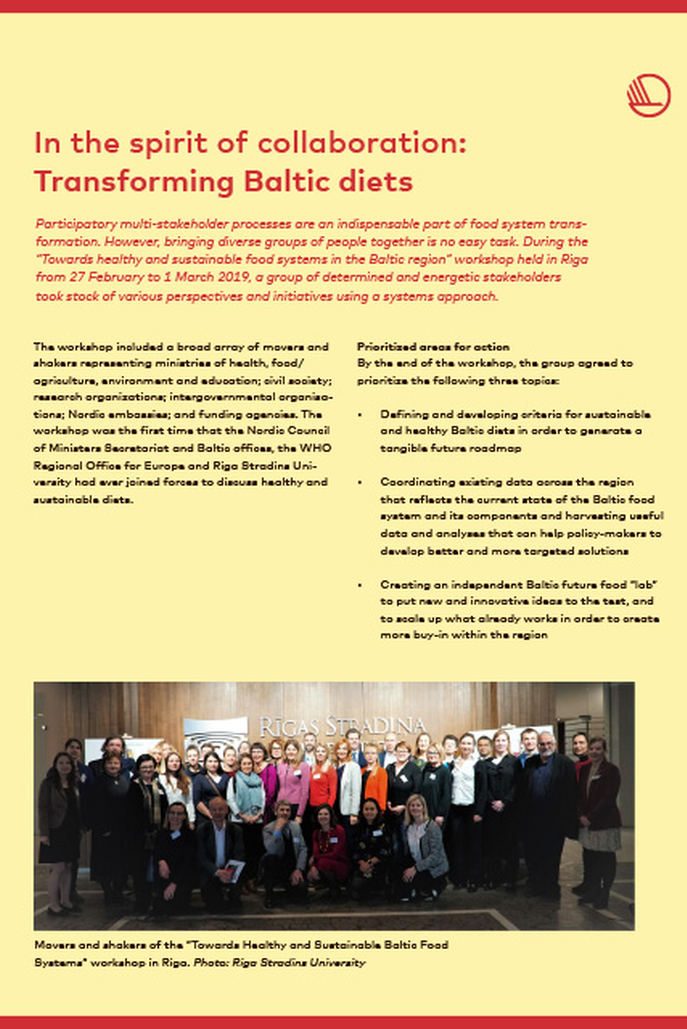
The offices coordinate with, and work closely, with the Nordic embassies in the respective countries, as well as with the Nordic institutions and the Nordic Council of Ministers’ sectors.
Funding for civil society co-operation in the Nordic-Baltic region.
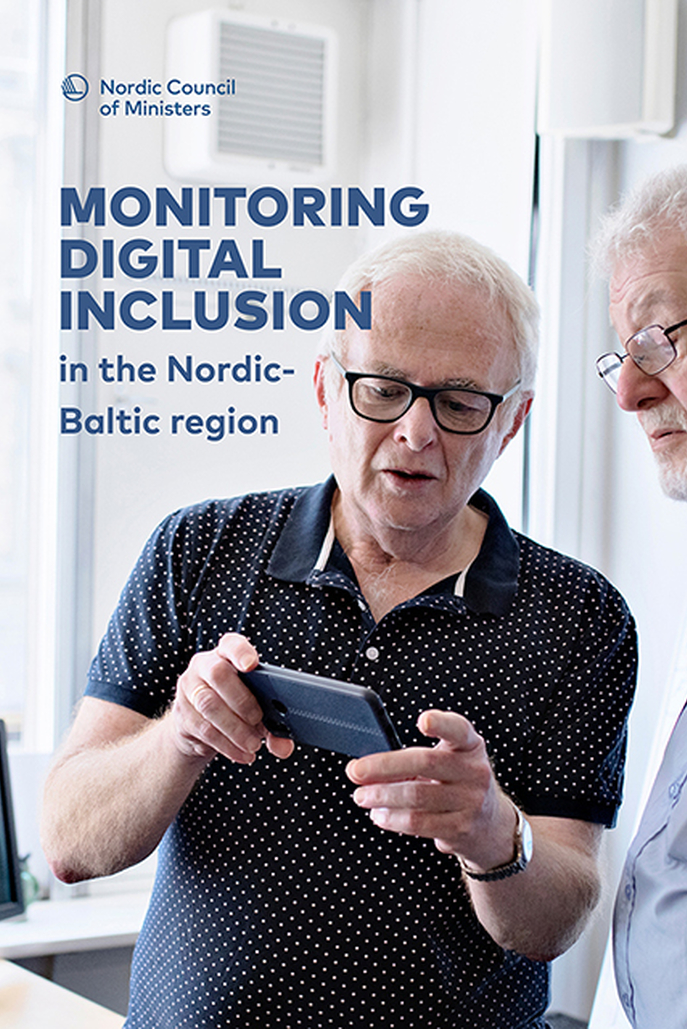
Nordic-Baltic co-operation on digitalisation is a collaboration at ministerial level. It aims to make the region more competitive, drive the green transition, and ensure an inclusive and secure digital future for all. See the links below for an overview of current priorities, key documents, news and initiatives.
Thomas Strømme
Senior Adviser, International co-operation
+45 60 39 42 77
Julia Wolman
Project Officer, International co-operation
+45 27 10 94 48