Nordic perspective on Baltic discussions on education, security, and defence
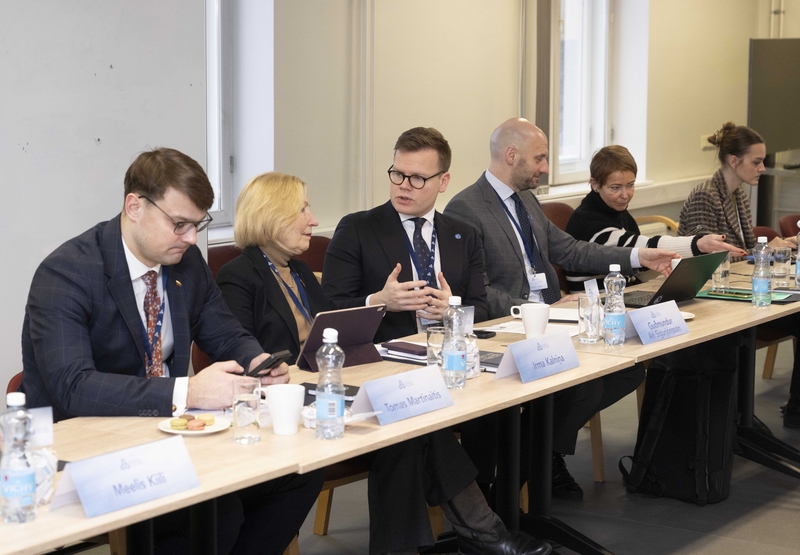
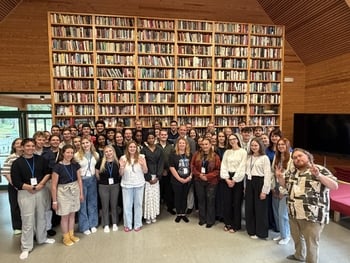
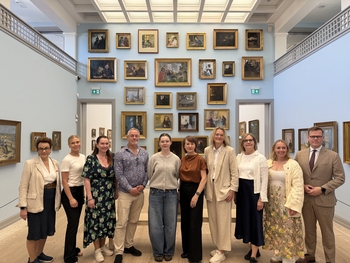
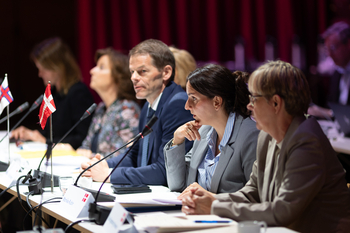
Within the framework of the long-term co-operation between the Nordic Council and the Baltic Assembly, Guðmundur Ari Sigurjónsson, the new chair of the Nordic Council Committee for Knowledge and Culture, participated in a meeting between the Baltic Assembly’s Committee for Education, Science and Culture and the Committee for Security and Defence.
The meeting in Tartu, Estonia, included visits to the Baltic Defence College and the War and Disaster Medicine Centre. The focus of the meeting was on the exchange of experience and joint solutions to current challenges in the Baltic countries. At the heart of discussions are two main issues: the development of a joint training programme in defence and security, and how military- and defence-related research can be strengthened through regional co-operation.
The Finnish and Ålandic programme for the presidency of the Nordic Council in 2026 places overall security at the centre of Nordic co-operation. The programme emphasises the importance of strengthening the ability of the Nordic Region to prevent, manage, and recover from crises by deepening co-operation in preparedness, defence, health and supply, critical infrastructure, mental resilience, democracy, and trust.
For us in the Nordic Council Committee for Knowledge and Culture, our education system plays a central role in plans for overall security. Similarly, day-to-day life in our schools and educational institutions plays an important role in strengthening society’s preparedness and resilience.
The discussions on defence research are linked to the need to co-ordinate Baltic initiatives with wider regional and international collaborations, such as EU defence research, NATO-related programmes, and Nordic co-operation. The objective is to ensure that research contributes directly to policy development and practical capability-building.
Meetings like these clearly demonstrate the importance of co-operation between the Nordic Council and the Baltic Assembly, especially at a time when security in our region is facing major challenges. Regular contact and joint discussion strengthen both Nordic-Baltic dialogue and the common understanding of security challenges in the Baltic region.