Nordic Roadmap for the introduction of sustainable zero-carbon fuels in shipping
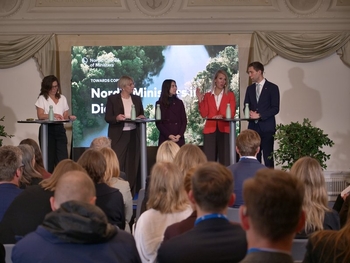
Seminar: Green shipping – Nordic actions to foster European and global zero emission
However, the Nordic co-operation has identified several key barriers to green shipping: the high costs of zero-emission fuels and technologies, the limited availability of these fuels and the necessary bunkering infrastructure, as well as the low maturity of fuel technologies and safety regulations. Overcoming these barriers requires coordinated efforts and consequently sustainable, zero-emission shipping has become a Nordic priority.
The second phase of the Nordic Roadmap for the introduction of sustainable zero-carbon fuels in shipping builds on the existing knowledge base and translates knowledge into action. It supports both vessel decarbonisation and the development of shore-side infrastructure for sustainable fuels. The programme involves stakeholders from across the Nordic Region, enhances maritime connectivity with neighbouring regions, and considers the unique Nordic circumstances, such as ice-covered waters during winter.
Focus Areas
- Supporting the realization and implementation of the first green shipping corridors in the Nordic Region.
- Ensuring safe port and bunkering operations for sustainable zero-carbon fuels.
- Continuing and strengthening the Nordic collaboration platform for green maritime transition.
- Developing a Nordic Green Transition Barometer for Shipping to track progress and guide decision-making.
With this programme the Nordic countries are taking concrete steps toward the decarbonization of Nordic shipping and ensure that the region’s green maritime industry remains competitive and ready for the future.