Nordic population ageing at record pace according to flagship report
State of the Nordic Region 2026 provides a comprehensive overview of developments across demography, labour markets, and the economy. The report combines data, maps, and analysis to examine how shared trends play out across countries, regions, and municipalities. It is developed by the Nordic institution Nordregio, which is a research institute dedicated to regional development and planning.
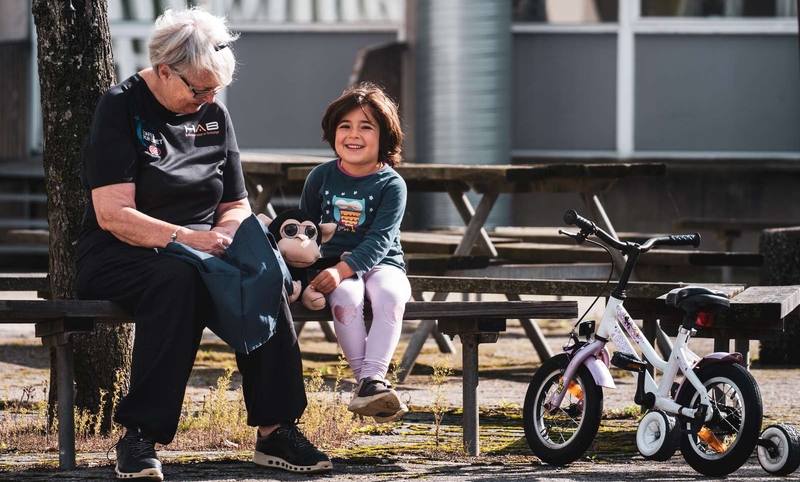
We have never been as old as we are today in the Nordic Region – and the pace of ageing is accelerating. At the same time, there is much to learn from regions and municipalities that have long been dealing with these challenges.
Fertility at historically low levels
One of the main drivers behind rapid population ageing is a sustained decline in fertility. Across all Nordic countries, the average number of children per woman remains well below the replacement level of 2.1 required to maintain population size without migration.
In 2024, total fertility rates ranged from 1.25 in Finland to 1.91 in the Faroe Islands. Denmark, Norway and Sweden all fall within the mid-1.4 range, while Iceland and Greenland display somewhat higher rates than the larger Nordic countries. Childlessness is increasing, particularly among men.
Fertility has been declining since around 2010, and research does not yet fully explain why
Three areas in the report
Beyond demographic trends, State of the Nordic Region 2026 also examines how labour markets and regional economies are evolving across the Nordics. It highlights shifts towards higher-skilled employment and changing regional growth patterns. The report also explores how regions respond to external pressures such as geopolitical uncertainty and increasing demands on critical infrastructure, offering a comprehensive perspective on the factors shaping Nordic regional development.
The report highlights both common challenges, such as ageing populations, and regional differences in how these changes unfold. By offering a comparative perspective, the report supports informed policy discussions across the Nordic Region.