Sweden’s Riksbank: The Nordics need quicker and cheaper payments across borders

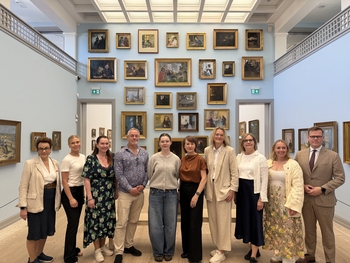
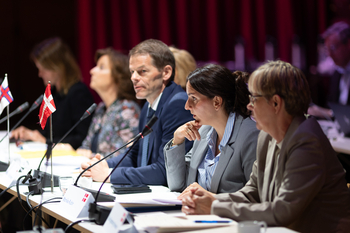
This was the main message when representatives from Sweden’s central bank, the Riksbank, visited the Nordic Council Committee for Growth and Development in the Nordic Region at its summer meeting in Stockholm.
Elin Ritola, Head of Unit for payment analysis and innovation at the Riksbank, stated that individuals and businesses encounter challenges when making payments within the Nordic Region.
“When making a payment between the Nordic countries, individuals and businesses incur substantially higher fees than when they make a domestic payment. Cross-border payments need to be quicker and cheaper,” explained Elin.
For several years, the Nordic Council has worked to improve the Nordic payments market and break down the barriers that make it more difficult to live, work, and run businesses across national borders.
Earlier this year, the Nordic Council adopted a recommendation encouraging the Nordic governments to pursue efforts to simplify bank transfers within the Nordic Region.
Streamlined cross-border payment solutions
At the meeting, the Riksbank also reported on the co-operation established between the Nordic central banks to improve the region’s payment infrastructure. Among other things, the aim is to streamline cross-border payment solutions and improve cohesion between the national payment systems.
“With just three and a half years to go, if the Nordic Region is to be the most integrated region in the world by 2030, the Nordic governments must focus on harmonising our financial regulatory frameworks. Moreover, the banks must take greater responsibility for the consumers and businesses that operate across the Nordic borders,” said Kjell-Arne Ottosson, chair of the Nordic Council Committee for Growth and Development in the Nordic Region.
The discussions formed part of the committee’s continued efforts to establish a more integrated Nordic market for the benefit of residents and businesses throughout the Nordic Region.