Healthy and Sustainable Food: Key to a Greener Future

Dan Koivulaakso, Lise Walbom, Naoko Ishii, Carlos Augustin, Mattias Frumerie, Dr. Namukolo Covic and Lujain Alqodmani
Last year, at COP28, the historic COP28 UAE Declaration on Sustainable Agriculture, Resilient Food Systems, and Climate Action was signed by 160 countries and endorsed by two additional nations. This milestone marked the first official recognition of food system transformations as a vital component of climate action within the context of climate negotiations.
While the agenda of food systems transformation is a relatively new topic in climate negotiations, the Nordic Co-operation has been at the forefront of sustainable food and diets for decades. The Nordic Co-operation has a long-standing tradition of setting the stage for global discussions on pathways to healthy and sustainable food systems at the UN Climate COPs. This year, we brought together partners and stakeholders from around the world to explore the intersection of health, climate, diets, and food production. Through five thought-provoking sessions, the event highlighted how food system transformations are fundamental for effective climate action.
Dan Koivulaakso, Head of Climate and Growth at the Nordic Council of Ministers, emphasized the importance of such gatherings.
Events like these, where we discuss, share lessons learned, successes, and challenges, are pivotal to driving progress. There is no pathway to limiting global warming to even 2°C that does not include transforming our food systems.
Koivulaakso participated in several sessions, underscoring the role of collaboration and joint leadership in driving change.
Investing in Change
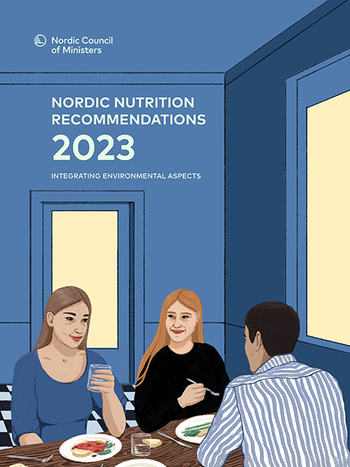
The discussion through out the day also focused on the Nordic Nutrition Recommendations 2023 that is guiding a shift in Nordic diets and is currently being implemented in dietary guidelines, school meal programmes and other public meals across the Nordics.
Markus Hoffmann, Sustainability Food Expert with the Federation of Swedish Farmers, highlighted the financial considerations. It would cost around four billion Swedish kronor to make Sweden’s entire food production fossil-free—equivalent to about one percent of the total amount Swedes spend on food each year, he stated.
Additionally, we were given a preview of the EAT-Lancet Commission 2.0 , The report that will focus on healthy, sustainable and just food systems is set to be presented at the EAT Stockholm Food Forum in October 2025. Dr. Namukolo Covic, EAT-Lancet 2.0 Commissioner, shared insights on how the consumption of certain foods is far beyond planetary boundaries, underscoring the urgent need for dietary shifts.
We can’t afford to continue eating like this. We must be ready to shift our diets.
The Cost of Inaction
The transformation of food systems comes with a cost, but it is nothing compared to the cost of inaction. This became clear throughout the day’s panel discussions.
Among the distinguished guests was David Nabarro, Co-Director of the Institute of Global Health Innovation at Imperial College London and former United Nations Special Adviser on Sustainable Development and Climate Change. When asked about creating a shift in diets, Nabarro stated, "The cost of eating the way we do now is astronomical. These diets contribute to around half of the deaths and severe illnesses in high-income countries. We can’t afford to continue eating like this. We must be ready to shift our diets”.
Environmental activist Hindou Ibrahim shared from the stage: “While we are discussing these issues here, people in the Sahara are experiencing devastating floods. With the impacts of climate change, access to food is becoming an even greater challenge.”
The transformation of food sectors is not just about limiting emissions—it's about lives, livelihoods, and culture. It’s about people.
The Nordic Council of Ministers’ events on the food systems day was co-hosted by UN Food Systems Coordination Hub, EAT and the Food and Land Use Coalition.