How to reduce consumption-based emissions in the Nordics?
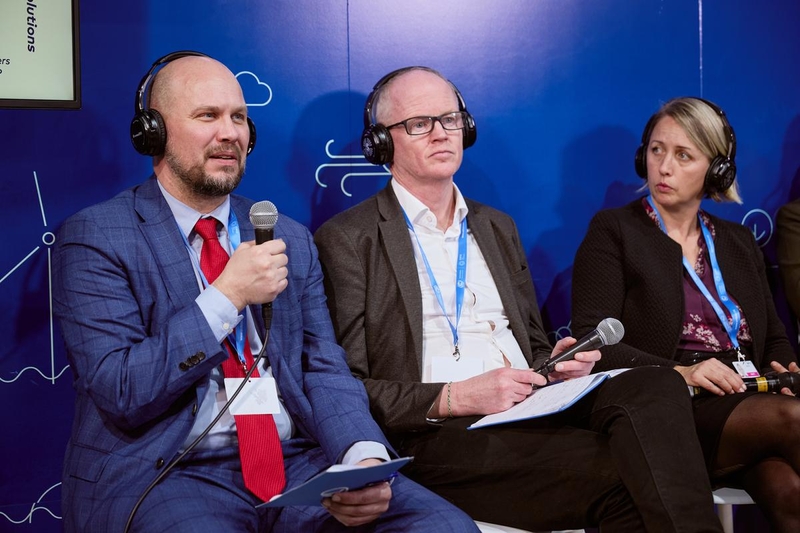
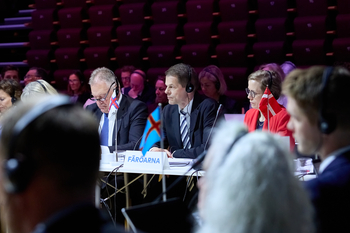
Dan Koivulaakso, Lars Haltbrekken och Jytte Guteland diskuterar i den Nordiska paviljongen på COP29.
No silver bullet
The report’s proposals were discussed by a panel of Swedish and Norwegian members of parliament, alongside the Nordic Council of Ministers’ head of unit for growth and climate, Dan Koivulaakso in the Nordic Pavilion at COP29 in Baku, Azerbaijan. He lauded the ambitious nature of the report and its hundreds of recommendations across a raft of areas that have the potential to reduce emissions.
“There’s no silver bullet for reducing emissions at the rate and to the extent needed. It’s about finding a mix of measures from this extensive toolbox,” he said.
Welfare society provides confidence to accept change
During the discussions, Swedish MP Jytte Guteland pointed out that the Nordic welfare society has long given Nordic residents the confidence to accept the implementation of societal changes. She called for the transition to carbon neutrality to be as fair as possible
and was supported by Norwegian MP Lars Haltbrekken, who stressed the importance of balancing the impact of the new regulations and taxation, with the aim of both reducing emissions and safeguarding equality.
Recommendations that have an impact
Gutleland also said that although the Nordic countries don’t have a common legislative assembly, sharing recommendations and inspiration between the countries can help steer them in the right direction. Karin Lexén, Secretary General of the Swedish Society for Nature Conservation, said that the Nordic countries also have an opportunity to change the narrative and be pioneers internationally.
“Right now, the Nordics have an opportunity to take the lead in climate policy and show the way for the rest of Europe and the world,” she said.
She received support from Koivulaakso, who cited the Nordic Council of Ministers’ Nordic Nutrition Recommendations as an example of recommendations that have made an impact in the Nordic Region and beyond thanks to their scientific basis.