11 priorities for closer co-operation on energy

1. Security of supply
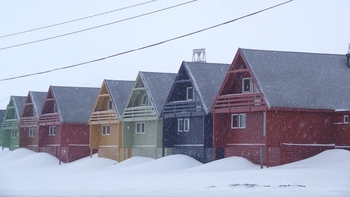
To enhance security of supply, we conduct Nordic analyses to complement our national knowledge. We focus on assessing scenarios, robustness, investment needs and the specific challenges faced by islands and the Arctic. Our goal is to build up a comprehensive overview of the energy situation in the Nordic region and support policy decisions.
2. Promoting renewable and fossil-free energy
We need to generate enough energy, especially electricity, to maintain the high level of supply security that the Nordic countries currently enjoy. As electrification and new technologies (e.g., hydrogen production) significantly increase demand, we must greatly expand our electricity generation capacity. The Nordic countries face many of the same challenges when it comes to establishing the framework conditions that will ensure sufficient capacity, and we need to work more closely together on this.
3. Socially, economically and environmentally acceptable energy transition
The transition in the energy sector is essential, and it affects many people. Local acceptance and energy poverty are key themes in our work. We are mapping best practices for citizen participation and co-ownership. We also share information about energy poverty and effective mitigation measures as part of our focus on social sustainability.
4. Hydrogen value chains
Collaborating more closely on hydrogen at Nordic level will help make the transition more sustainable in sectors where electrification is not an option. We are developing a Nordic hydrogen initiative that covers the entire value chain – from production to storage and use. Work continues on Mapping Nordic Hydrogen Valleys and a digital mapping tool. Hydrogen is relevant to the transition of the transport sector and industry.
5. Carbon Capture, Utilisation & Storage (CCUS)
Carbon Capture, Utilisation & Storage (CCUS) is crucial for achieving climate neutrality. The Nordic countries are sharing information about bioenergy with carbon capture and storage (BECCS) and analysing the region’s potential contribution to a European CO₂ market. This work includes organising the annual Baltic Carbon Forum and working with the environmental sector.
6. Energy storage
The ability to store energy helps guarantee security of supply and flexibility. We are looking at the extent to which solutions should be analysed at Nordic level.
7. Energy efficiency, market monitoring and behaviour
Efficient energy use is a key reason why the energy systems in Nordic countries operate effectively and have lowered greenhouse gas emissions. Energy efficiency is also vital for business competitiveness. The co-operation on energy efficiency focuses on initiatives that support national efforts to enhance it through technology and behavioural changes by both citizens and businesses. This work includes joint initiatives in areas such as energy labelling, ecodesign, the circular economy and the use of residual heat.
8. Co-operation in the electricity market
An electricity market that works well is the key to an effective and sustainable transformation. The market must support electrification and flexibility. We need to develop it to provide further incentives to invest in new electricity generation at the right locations and ensure that new consumption uses electricity efficiently. The market should also help create a better balance between growing production and growing consumption.
9. Electricity infrastructure
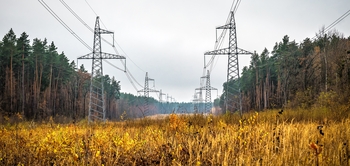
Expanding the grid is imperative for increased production and consumption. With increased electrification and a larger share of fluctuating renewable energy sources, there will be an even greater need for Nordic co-operation on better infrastructure to ensure resources are used as efficiently as possible and to keep consumer costs down.
10. Nordic co-operation on the EU/EA
Several European initiatives will have an impact on the Nordic energy vision for 2030. This makes closer Nordic co-operation between political bodies, market participants, research communities and civil society even more relevant. The focus is on implementing directives such as the Renewable Energy Directive (RED), the Energy Efficiency Directive (EED), the Energy Performance of Buildings Directive (EPBD), and on gas market regulation. We coordinate Nordic positions on EU legislation whenever relevant.
11. International relations
One of the ambitions outlined in Our Vision 2030 is to leverage the strength of Nordic co-operation in both formal and informal international forums. This is particularly true in the EU/EEA, but also in other forums in which the Nordic countries participate. We also seek to increase Nordic involvement in EU research programmes and international representation.