Joining forces to encourage a love of reading
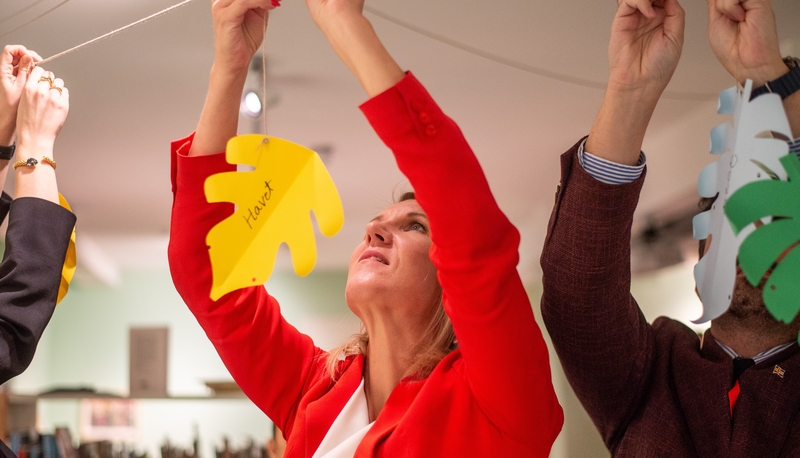
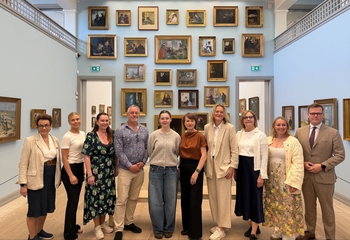
Finlands vetenskaps- och kulturminister Sari Multala på Nordens hus i Reykjavik 29. oktober 2024
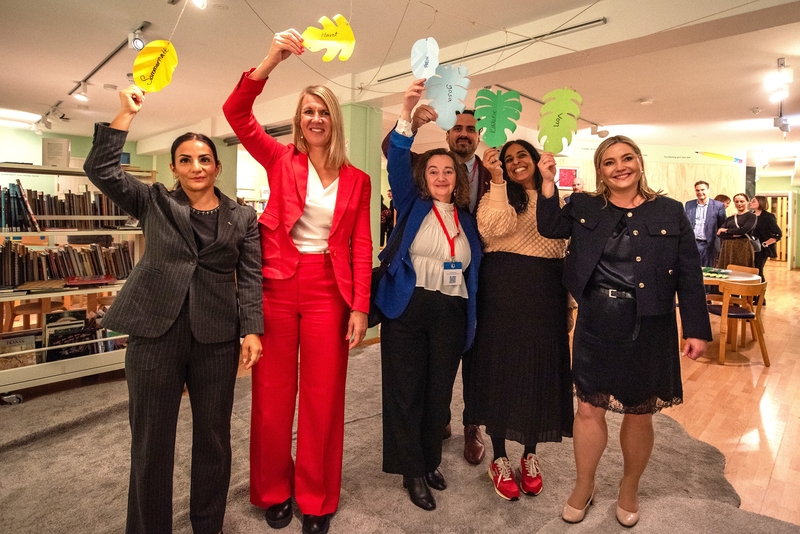
Finland’s Minister of Science and Culture Sari Multala chose the word “meri”, meaning “sea”, to hang on the reading tree that grows in Reyjkavik. “I chose ‘meri’ because it’s an expression of freedom, and because the sea unites all the Nordic countries,” she says.
Reading and literacy among children and young people is decreasing throughout the Nordic Region. The issue relates not just to schools, but is also a matter for the Nordic ministers for culture.
https://www.skyfish.com/p/nordisksamarbejde/all-files/65536290?predicate=created&direction=desc
Social problem
“Illiteracy is a problem both for the individual and society at large. All sectors in society depend on the population having good reading and writing skills. This is a cornerstone of a functioning democracy and of functioning integration, a vibrant labour market, and a competitive business sector,” says Sweden’s Minister for Culture Parisa Liljestrand.
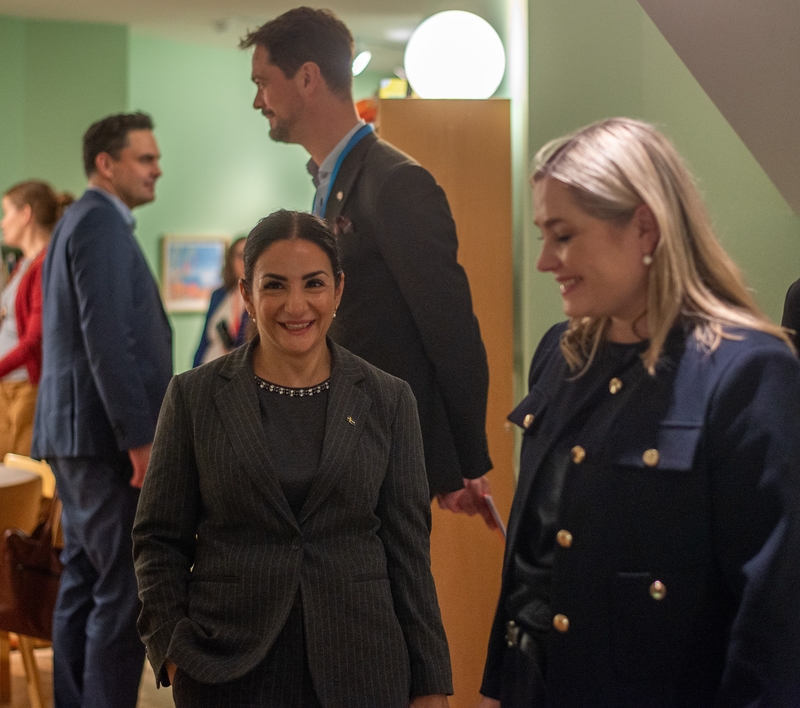
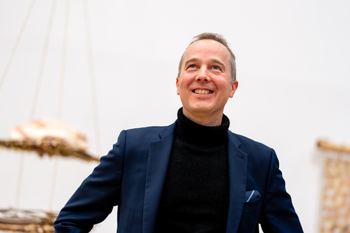
Sveriges kulturminister Parisa Liljestrand setter "Et lesande Norden" på dagsordningen.
“Illiteracy is a problem both for the individual and society at large. All sectors in society depend on the population having good reading and writing skills.”
A Nordic Region that reads
During its presidency of the Nordic Council of Ministers in 2024, Sweden chose the theme “A Nordic Region that reads” as a way to promote literacy and a love of reading among children and young people. At the ministerial council meeting for culture in Reykjavik on 30 October, a theme discussion was held on promoting reading among young people in socioeconomically challenged areas, as a continuation of the presidency’s seminar at the Gothenburg book fair on reading in the Nordics.
“A person’s socio-economic background affects their learning and also their opportunities for further education. All children must have the same opportunities to get ahead in life,” emphasises Finland’s Minister of Science and Culture Sari Multala.
In 2025, Finland holds the presidency of the Nordic Council of Ministers together with Åland under the banner “A strong and united Nordic Region”. Children and young people are a priority in the presidency programme.
Read more and read together!
A survey carried out for the Nordic Council of Ministers under Sweden’s presidency shows that all the Nordic countries prioritise improving literacy and reading among children. Sweden, Norway, and Finland are all investing in libraries, for example. Several of the countries also support selected reading programmes.
“Reading needs to be a part of every family’s day-to-day life. I wish more parents would give screens a break and take the time to read aloud to or together with their children. Books can work magic when it comes to imagination, recognition, and addressing life’s big questions. I believe that if we encourage children’s and young people’s love of reading, literacy will follow suit,” says Liljestrand.
Art projects kickstarted
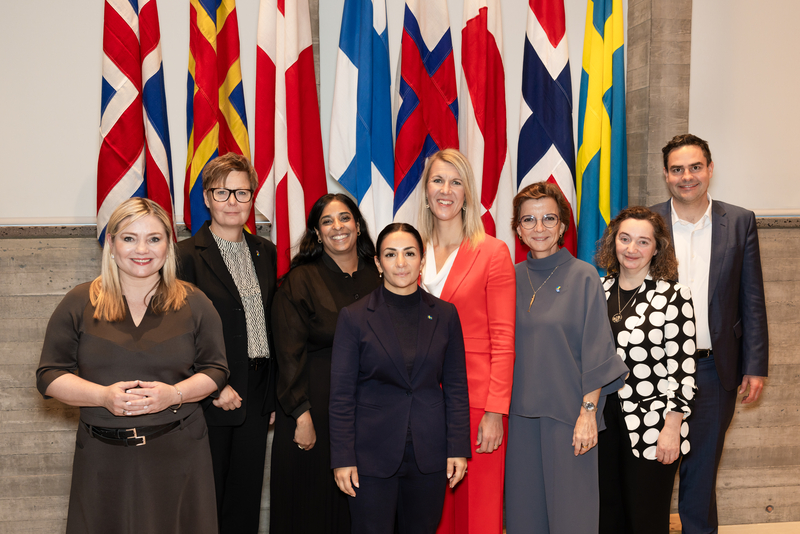
“Sommarnatt”, “meri”, “kjærleik”, “gosa”, “von”, and “frælsi”. These are the words that were chosen when Liljestrand and Multala, together with their colleagues from Iceland, Norway, the Faroe Islands, and Åland, were asked to write their favourite Nordic words and hang them in a tree. Children and young people will be given the opportunity to do the same at the Nordic House in Reykjavik, and everything will evolve into a word cloud.
“I chose ‘meri’ because it’s an expression of freedom, and because the sea unites all the Nordic countries,” explains Multala.
The Nordic bookworm
At the Nordic House, the ministers also looked at another tree. The exhibition “Trädet” explores the tree as a concept in children’s books. The material for the exhibition comes from The Nordic Bookworm project, funded by the Nordic Council of Ministers.
The Nordic Bookworm produces educational support material for picture books from all the Nordic countries, free of charge, and in all the Nordic languages. The material can be used as a discussion opener for conversations about books with children at school, in the library, and on the sofa at home. The target group is adults who read picture books to children aged 0 to 12.
A follow-up research report states that the method creates an early contact point with the wealth of literature for children in the Nordic countries, and is highly effective for stimulating a love of reading.
Nordic funding programme for children and young people
The Nordic Council of Ministers also has a more general programme to support the participation of children and young people in co-operation on language and culture. One example is the Volt language and culture programme which grants funding for projects organised by and with children and young people up to the age of 25. The programme was established as a pilot project in 2017 and, from 2025 onwards, it will be an ongoing programme with an annual contribution of DKK 2 million. Nordic Culture Point administers the programme on behalf of the Nordic Council of Ministers.
The Nordic Council of Ministers’ new co-operation programme for cultural policy for 2025 places great importance on children’s and young people’s knowledge of and access to Nordic culture, cultural heritage, and language, with a view to bolstering cohesion and well-being. In the continued co-operation on language policy, it is important to protect the smaller languages in the Nordics, to develop language technology, and to develop children’s and young people’s cultural and linguistic understanding.