Young people in Nordic Region gain greater influence – new report paves the way

The newly published report of the Nordic Council of Ministers’ work with children and young people for 2024–2025 shows that youth participation has been strengthened at several levels. The Nordic Council of Ministers works cross-sectorally with children and young people within its various sectors, and specifically through the advisory committee for children and young people, NORDBUK, which consists of youth representatives from the eight Nordic countries as well as officials from the ministries of education.
The Ministers for Nordic Co-operation have increased the budget for work involving children and young people from DKK 10 million in 2024 to DKK 13 million per year for the period from 2025 to 2027.
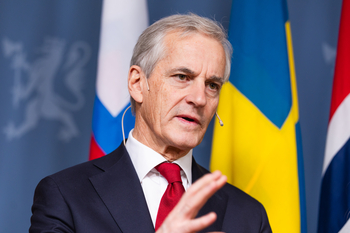
“Children and young people aren’t only part of our future – they’re an important part of society right now. The report on the Nordic Council of Ministers’ work with children and young people shows that they continue to be a prioritised target group, both cross-sectorally and as an integral part of Nordic policy,” says Finland’s Minister of Education and Minister for Nordic Co-operation, Anders Adlercreutz.
Democracy in practice – young people as co-creators
Through initiatives such as Ungetinget, the Nordic-Baltic Youth Summit, and the Norden 0–30 funding programme, the Nordic Council of Ministers has, via NORDBUK, empowered young people to run projects, formulate policy recommendations, and take part in democratic processes.
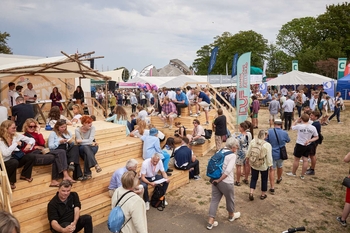
Ungetinget brought together 100 young people from across the Nordic Region in Denmark for a seminar where participants were given tools to play an active role in democracy. The Nordic Baltic Youth Summit 2024 was held in Lithuania and attracted more than 250 participants. The 2025 summit will take place in Finland this November. Several of the young people’s recommendations have already been incorporated into the work of the Nordic Council of Ministers. The Norden 0–30 funding programme has allocated funds to bolster young people’s civic engagement.
Several other projects focusing on mental health, climate, gender equality, and preparedness have also been implemented or launched during the year.
School elections and a focus on fostering democracy
The Finnish presidency of the Nordic Council of Ministers in 2025 has prioritised school elections as a tool for improving young people’s understanding of democracy. School elections allow pupils aged 13 to 18 to take part in a simulated election to learn how it works and familiarise themselves with the most pressing political issues. The aim is to give young people concrete experience of making an impact.
Children and young people as a priority group
The report shows that a children’s rights and youth perspective is well rooted in the work of the Nordic Council of Ministers. The majority of sectors have integrated these perspectives into their governing documents, co-operation programmes, and projects. At the same time, it highlights the need for continued development, particularly when it comes to ensuring that young people receive feedback about how their contributions influence decisions.