The shortlist for the Nordic Council Environment Prize 2026
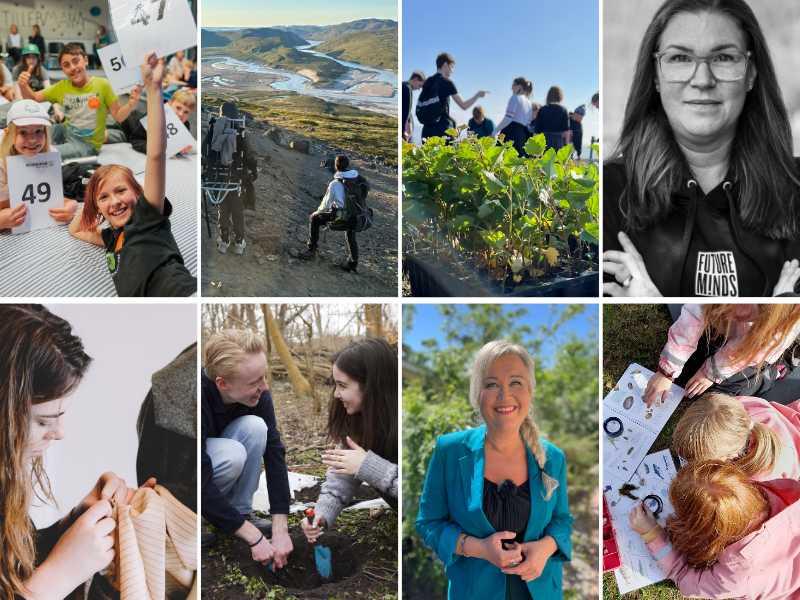
The Nordic Council Environment Prize 2026 focuses on initiatives that educate children and young people about environmental and climate issues.
The eight names on the shortlist for the Nordic Council Environment Prize 2026 are:
Winner announced 20 October
The winner will be announced on 20 October, and the Northern Lights statuette and DKK 300,000 prize money will be presented at a special awards ceremony on 28 October during the annual Session of the Nordic Council in Helsinki.
The theme for the Nordic Council Environment Prize 2026
The theme for the Environment Prize changes every year. The focus this year is on the importance of equipping young people with the knowledge, skills and voice to shape their own future and contribute to sustainable development and adaptation to climate change.
Educating children and young people about nature and climate issues
It is the children and young people of today and tomorrow who will have to live with the consequences of climate change. Educating the young about climate issues and biodiversity boosts their knowledge, commitment and ability to make a difference, and lays the foundations for an environmentally aware and responsible generation.
The focus this year is on the importance of equipping young people with the knowledge, skills and voice to shape their own future and make a contribution to sustainable development and climate-change adaptation. At a time when disinformation is becoming more widespread, when there is a tendency for democracy to be weakened and eroded, when freedom of expression and civil society’s room to manouevre is being curtailed, it is particularly important to improve education and encourage young people to play their part.
By providing children and young people with the tools to understand complex issues and to develop source criticism and critical thinking, we can counter disinformation and improve participation levels in democracy – while fostering a sense of responsibility and commitment towards the environment and nature. Knowledge of nature and the climate is not just an environmental issue. It is also a question of inclusion and democracy.
Teaching needs to be based on research and highlight the links between the climate crisis and the loss of biodiversity, as well as the role played by human consumption and lifestyles. Potential long-term effects of this kind of education include changing consumption patterns, promoting green innovation and raising levels of participation in democratic processes. It promotes solution-focused thinking, respect for nature and social responsibility. It also helps to raise awareness of how climate change and the loss of nature are affecting habitats in the Nordic Region – from marine environments to forests and Arctic ecosystems.
The theme this year is in line with several of the UN Sustainable Development Goals, including #4 (Quality Education), #12 (Responsible Consumption and Production), #13 (Climate Action), #14 (Life Below Water), #15 (Life on Land), and #17 (Partnerships for the Goals), and is part of the Nordic efforts to promote a sustainable future.
The theme is relevant to all of the Nordic countries because they have similar education systems, environment policies and strong traditions of democracy for children and young people. The countries also all face the challenges of preserving ecosystems, combating climate change and ensuring a sustainable future, which makes the theme particularly relevant throughout the region.
About the Nordic Council Environment Prize
The Nordic Council Environment Prize was first awarded in 1995 with the aim of raising awareness of work on the environment in the Nordic Region. It honours companies, organisations or individuals for exemplary efforts to integrate respect for the environment into their business or work or for some other form of extraordinary initiative on behalf of the environment.
.As the nomination process is open, anyone can submit nominations. A total of 53 initiatives were nominated this year.