
Bibi Fatima Musavi
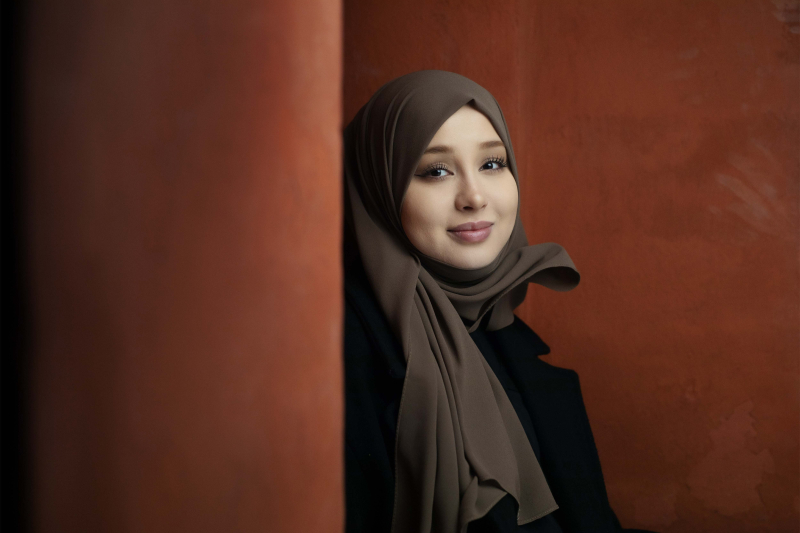
In this novel, we meet Asya, who lives in a basement flat with her parents. She’s in upper secondary school and looking for a part-time job. In other words – this isn’t a story filled with major, outward drama. And yet, the book rises in quiet resistance.
Asya feels different. Her teacher pronounces her name like a continent. Conservative aunties and uncles are shocked when she talks about gender equality. The boy she has fallen for is already going out with a blonde, Norwegian girl. And she doesn’t get the job at the café because she wears a hijab. The manager at Burger King asks if she can wear a cap instead. She’s constantly being reduced as a human being, and that fuels a sort of anger which colours how Asya relates to the world around her. Her sister’s husband, Eselet, in particular, bears the brunt of her criticism. She mocks her parents for not trusting the dishwasher – instead using it to store empty bottles. She spots the paradox in their buying halal meat in a town called Svinesund. Last but not least, she’s wonderfully self-ironic when she views herself from the outside, dressed all in black, like a VIP member of the mullah mafia.
Asya is too Norwegian for her own family, and too foreign for the white majority society in which she lives. This duality is one of the book’s strengths. It’s a punchy mix of rage, shame and sharp humour that drives the story forward. The language is well suited to the target audience. The book has an energetic and captivating narrative voice, and is especially hard to put down.
The title Jenter som meg (in English: “Girls like me”) is concrete and inclusive. Musavi gives a voice to a group of young girls whose everyday lives are unknown to many. Because behind the hijab, there may well be a girl who wants the same things as other teenagers?
Bibi Fatima Musavi (born in 1998) was born and raised in Oslo. She holds a bachelor’s degree in journalism and is currently completing a master’s in media and communication. Jenter som meg is her first book.