Accelerating the Transition to Renewable Energy
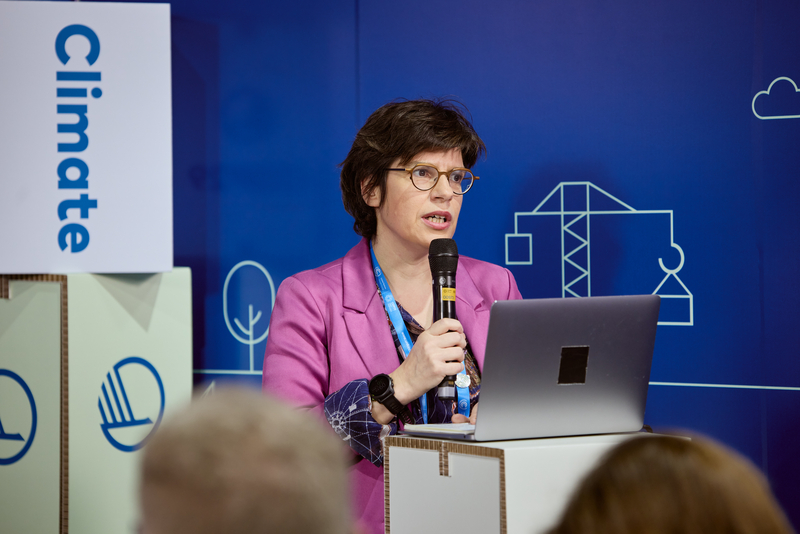
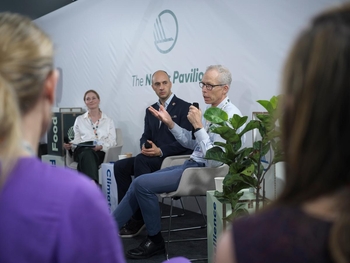
The Nordic countries have a long tradition of integrating renewable energy production into its energy systems and in a panel organised by Nordic Energy Research and co-organised by the International Energy Agency, this expertise was leveraged. At the session titled “Securely Integrating Solar and Wind”, the Belgian Energy Minister, Tinne Van der Straeten, highlighted the importance to utilise wind and solar power for a resilient energy system:
We have across the world vast resources of solar and vast resources of wind. We have the opportunity to capture every ray of sun and every blow of wind. If we can do so, we can provide a resilient energy system to the world.
Watch the broadcast from the event at COP29 here
The message from the Belgian minister resonates with the priorities in the Nordic Co-operation Programme for Energy 2025–2030 with its focus on security of supply and the energy transition.
The Nordic countries have experiences to share
Recent analysis shows that there is a disparity in renewable energy adoption between wealthy and lower-income countries. COO of Nordic Energy Research, Kevin Johnsen, pointed out that most regions of the world have an untapped potential for improving marked design, particularly on flexibility markets, to increase the integration of solar and wind. “This is an area where the Nordic countries have lessons learned, that we should share with the rest of the world,” he said. Pablo Hevia-Koch, Head of Unit Renewable Integration and Secure Electricity in the IEA, highlighted the significance of knowledge sharing on systems that have high shares of renewable production integrated in their power system.
We should take advantages of what different countries and power systems did as part of their deployment pasts so we can replicate it and learn from it in power systems that are in the beginning of their VRE journey.
The debate concluded with a clear message from the panelists to policymakers: open grids to private investments, streamline policies, and maintain a clear vision of the desired end-state for the power system.
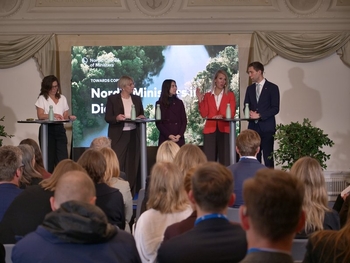
Energy Day in the Nordic Pavilion brought together policymakers, industry experts and organisations to discuss challenges and global solutions with a special focus on strengthening cooperation, identifying policy recommendations, and leveraging climate finance for electricity grids – a key component in global decarbonisation.
Nordic Energy Research is the Nordic institution for joint energy research and research-based policy development, under the Nordic Council of Ministers. It was established in 1975 as a joint energy research programme. Today the institution funds research of joint Nordic interest that supports the ambition to reduce carbon emissions and its dependence on fossil fuels, and to create new growth industries by increasing knowledge of sustainable energy and contributing to the development of new, competitive energy solutions.