Concern over PISA results and calls for Nordic action

The 2022 PISA study was published in late 2023 and shows poor results for students in the participating countries compared to previous years, i.e. students in all of the Nordic countries scored significantly lower than in earlier tests.
The biggest drops in maths were in Iceland (36 points) and Norway (33 points), the smallest in Denmark (20 points). The change marks a turnaround from the positive trend in the Nordic countries since 2012, with the exception of Finland, which has had generally poorer results.
In reading comprehension, the biggest falls were in Iceland (38 points) and Finland (30 points), the smallest in Denmark (12 points). The results for science also dropped significantly.
The Session of the Nordic Council in Iceland unanimously agreed to submit a proposal to the Nordic Council of Ministers, calling on it to set up a specialist international committee to make suggestions for improvement to the national education ministers. The proposal stresses that reading skills and word comprehension require special attention as they affect all learning and study outcomes. In today's English-dominated multimedia environment, attention should also be paid to smaller languages.
The Committee for Knowledge and Culture is pleased that the Council of Ministers, and especially the Swedish Presidency in 2024, has already started to look at the causes of the lower PISA results and how to rectify the situation. The Committee supports this ongoing work and is calling for a joint Nordic effort to address the problem
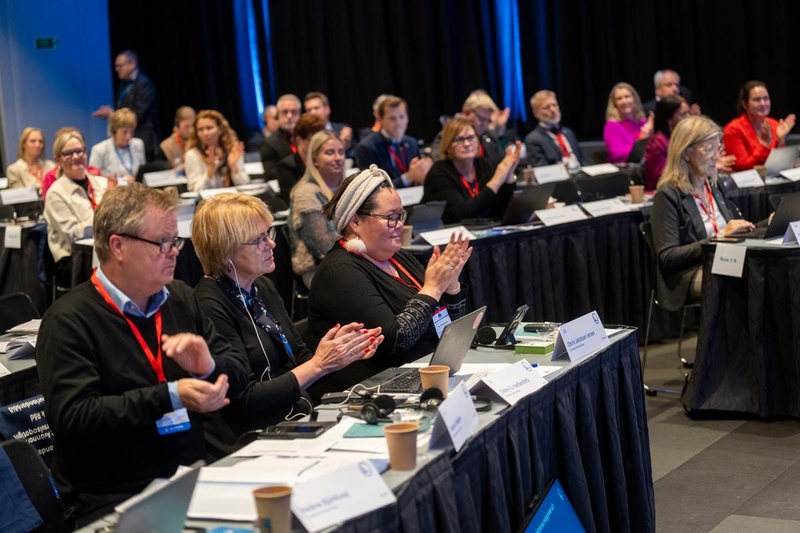
The discussions at the Session included the relevance of the PISA results as a measure of the ability of 15-year-old school students to meet the challenges of the future. Are reading, maths and science the only relevant yardsticks of learning? The 2022 study also measured students’ ability to think creatively, in which Danish and Finnish students performed exceptionally well.
Although opinions are divided about the reasons for the poorer results, everybody agrees efforts should be made to improve students’ learning outcomes, especially in reading comprehension. The newly elected President of the Nordic Youth Council is concerned that poorer reading comprehension will act as a brake on social development:
As a future social studies and history teacher, I’m worried. Schools are supposed to nurture democratic citizens, and if young people are unable to absorb information and news as well as the older generation, they risk being excluded from democratic society.
The proposal was adopted at the Session of the Nordic Council and has now been forwarded to the Nordic Council of Ministers.