New technologies to include everyone

A more inclusive, accessible and ethical AI, starts with better data to ensure that AI systems also account for experiences of persons with disabilities. The ministers are calling for a greater emphasis on the collective responsibility to develop inclusive AI. AI offers new tools to dismantle barriers but it also poses new threats, particularly to those already facing discrimination.
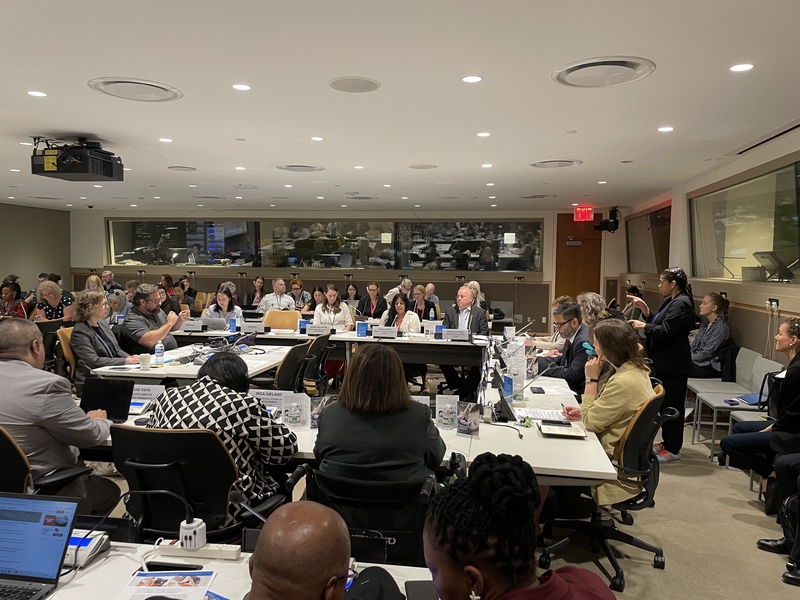
Policy makers, disability advocates, experts and authority representatives came together to discuss the need for inclusive, fair and accessible AI tools, and the possibilities of providing these tools, at the United Nations COSP18 in New York in the middle of June.
Several speakers highlighted the potential for AI to improve the lives of persons with disabilities. AI can be used to improve the ability to participate, live independently, receive information, communicate, study and work. Examples include using a text-to-speech app, tools that help the blind and hearing-impared, or AI tools simplifying economic decisions, which are helpful for persons with cognitive disabilities. At the same time, concerns were raised over how AI may contribute to exclusion, amplify bias, and reinforce barriers.
The widespread use of AI in content generation carries a significant risk of perpetuating existing stereotypes about persons with disabilities
As mentioned in the ministerial declaration, 16% of the global population (around 1.3 billion people) currently experience significant disabilities. It is a human right, but also a potential economic benefit to consider disabilities in the development of AI.
Participation in technological development is key, when creating, regulating or assessing AI tools.
The impact of AI for people with disabilities can only be a success if all AI systems and processes are accessible, and AI systems can only be made more accessible if people with disabilities are involved in their development
AI can be used to improve access to information, make social and healthcare services better, and facilitate the development of helping tools such as voice recognition, screen magnifiers, hearing aids or wheelchairs.
It can encourage people with disabilities to use their full potential in the workplace or help them find work if they are outside of the labour market.
As we develop new technology, we have to make sure no one is left behind