'Women are pulling above their weight' in climate matters
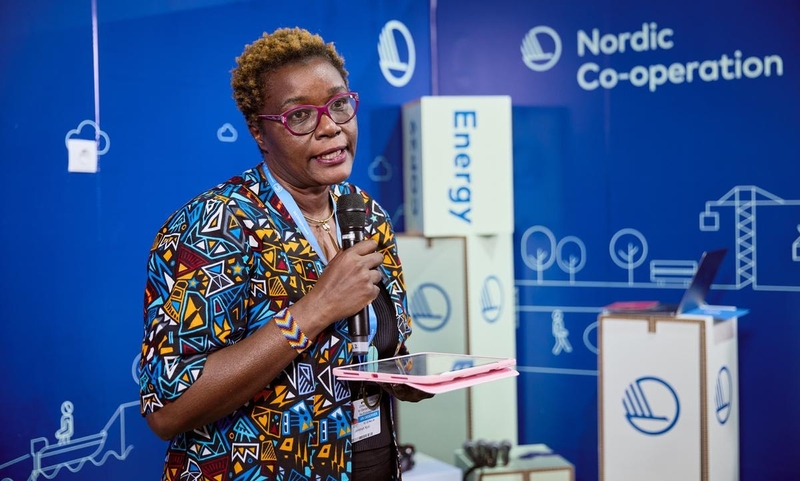
‘It is not just a finance COP – it is a gender COP!’ heard at the COP29 venue in Baku, Azerbaijan.
The topic of gender cannot be ignored when speaking about climate action. This was already acknowledged by the countries negotiating in 2017 as they adopted a Gender Action Plan as part of the United Nations Framework Convention on Climate Change (UNFCCC), often referred to as the “Lima Work programme”.
Women are pulling above their weight. As farmers, as entrepreneurs in green energy, as environmental right defenders or decisionmakers in their own homes and communities, women are offering valuable solutions into better managing climate and its risks
The green transition will require vast changes in the Nordic societies. If these changes are to be meaningful, effective and beneficial to everyone, they must be based on gender equality and equal rights.
If we are not mindful, we risk that existing inequalities will remain or even deepen during the required transformations – especially of our labor markets.
The climate crisis must be addressed from an intersectional and feminist perspective. Climate change exists in an already injust world
Measuring progress and highlighting best practices
Since the adaptation of the UNFCCC Gender Action Plan (GAP), the Nordic countries have made significant strides in promoting gender equality in relation to green transition and made commitments to promote feminist action for climate justice, including ensuring inclusive green jobs, gender mainstreaming in climate policy in a structured way e.g. by utilising sex-disaggregated data in relation to climate action, conducting gender analyses and implementing gender budgeting for climate policy.
There are still some differences to note, and some best practices have been identified in the Nordics already, such as:
- Mandatory Gender budgeting at state level (IS)
- Advanced programme for gender mainstreaming in government agencies (SE)
- Gender mainstreaming training (FI)
- Inclusion of external gender experts (SE)
- Inclusive stakeholder involvement processes (FI)
- Draft Strategy for gender mainstreaming the implementation of the Paris Agreement (SE)
- Project: Gender and consumption (IS)
As named in the rapport, promoting gender equality as a fundamental aspect of a just green transition, rather than an auxiliary concern, will further solidify the Nordic countries’ role as pioneers in gender equality, and in reaching the Nordic 2030-vision of being the most sustainable region in the world.
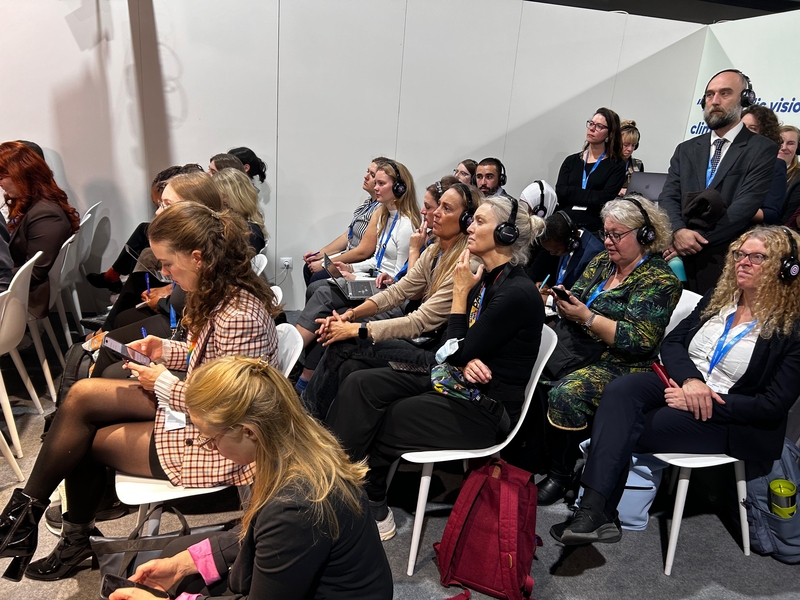
The Nordic countries are part of a larger group, calling for action. On the opening day of COP29, the European Union launched a joint statement at the Nordic Pavilion, calling for gender-responsive climate action and to intensify efforts to address gender equality in international climate change negotiations.