Increased consumption of seafood could strengthen Nordic preparedness
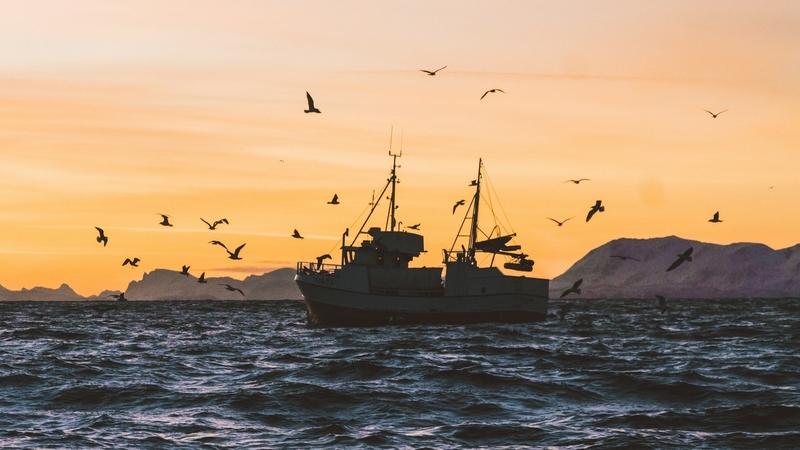
Aquatic food is a strategic resource in our food system, but it has the potential to play an even greater role. It can contribute more to both preparedness and public health, and stronger Nordic cooperation in this area will help realise that potential.
Strong production but global dependencies
The Nordic region is one of the world’s largest producers and exporters of seafood. Norway, Iceland, the Faroe Islands and Greenland account for a large share of production, while Denmark, Sweden and Finland are more dependent on imports and further processing.
At the same time, value chains are highly globalised. A large share of Nordic fish is exported for processing outside the region, and production depends on international transport and imported raw materials for fish feed. This makes the system vulnerable to disruptions in trade and logistics, for example due to geopolitical changes. Production also often takes place far from population centres.
The report also highlights overfishing and the lack of long-term agreements on shared fish stocks as factors weakening resilience. When processing takes place outside the Nordic region, regional control over the value chain is further reduced.
To strengthen preparedness, the report recommends increased regional processing, diversified feed sources and stronger cooperation on the sustainable management of fish stocks.
Nordic fish consumption is declining
Production alone is not enough to strengthen preparedness, consumption is also crucial. A Nordic survey (NORMO 2025) shows that people in the Nordic region eat significantly less fish and seafood than recommended, and consumption continues to decline. At the same time, there is a need for a more varied diet, including a wider range of fish and seafood species than today.
A key explanation is price development. Fish and seafood have seen the largest price increases among food products in the Nordic region and have become over 40 per cent more expensive since 2015. A lack of knowledge about preparation and low familiarity with fish also affects consumption.
The report concludes that no single measure is sufficient. Instead, several parallel interventions are needed to strengthen access, knowledge and motivation. Proposals include reduced VAT on fish and seafood, targeted information campaigns for young people and more cooking education in schools. Public meals are highlighted as important arenas for increasing consumption, along with efforts to promote lesser-known and more affordable species.
A coordinated Nordic approach
The report’s overall conclusion is that aquatic foods from the sea and freshwater are a strategic resource for Nordic food preparedness, but that their potential is not fully utilised.
To realise this potential, a coordinated Nordic approach is needed to strengthen resilience in value chains while making it easier and more attractive for consumers to choose fish and seafood. This requires action both at system level and measures that promote more sustainable consumption habits.
In this way, aquatic food can become an even more important part of a robust food system, strengthened preparedness and better public health in the Nordic region.
About the report
The report Nordic Aquatic Food Systems: System Preparedness and Recommendations for Increasing Seafood Consumption highlights Nordic value chains for fish and seafood and how consumption of aquatic food can be increased in a sustainable way. The report is the first of two on the same theme and has been produced by Nomina with support from the Nordic Council of Ministers. The results will be presented on 10 June at the Ministerial Council for Fisheries, Aquaculture, Agriculture, Food and Forestry (MR-FJLS).