Updating the New Nordic Food Movement is a win-win
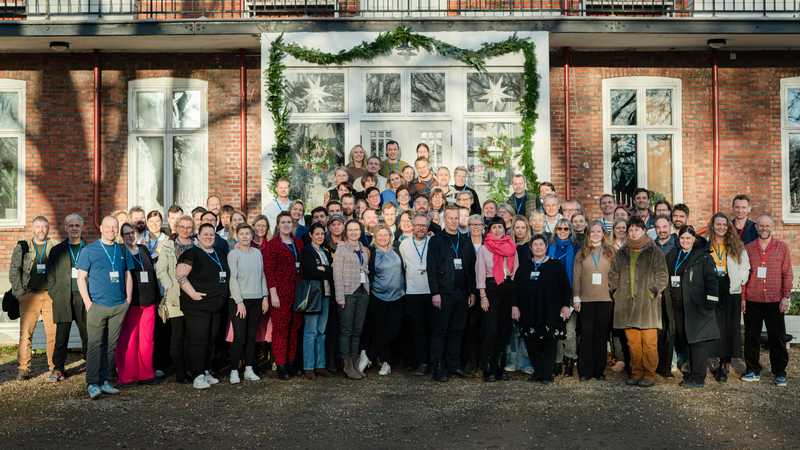
The stage was decked out with cabbage and straw bales as the sixty-five specially selected participants gathered in Restaurant Mygel in Norra Hamnen, Malmö, for the Nordic Food Innovation Summit. The two-day conference marked the 20th anniversary of the New Nordic Food Manifesto, which was launched in 2004 and heralded the start of a transformation of food culture in the region, drawing attention to the power of nature, highlighting the quality of local produce and presenting a vision of a healthy, sustainable and tasty cuisine. Twenty years on, challenges like the climate crisis and poor food literacy call for new initiatives.
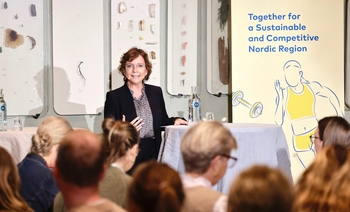
The Secretary General of the Nordic Council of Ministers, Karen Ellemann, says:
The Nordic Council of Ministers sees a healthy and sustainable food system as a political priority. It is only natural that we support continued engagement with the New Nordic Food Movement, which has revolutionised Nordic cuisine and brought benefits to the whole of the region in terms of public health, competitiveness, the environment and the climate – a real win-win!
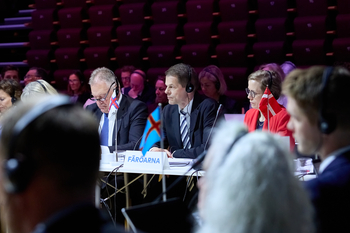
The conference kicked off with talks, debate and a welcome from Greenland's Minister of Fisheries and Hunting, Kim Kielsen, who stressed how much food systems and dietary patterns vary between the Nordic countries. He also made his stance on food waste clear: “Everybody should aim to use everything they take from nature so they avoid or minimise food waste. This should be part of the curriculum in schools and at SILA, the new faculty at the University of Greenland, Ilisimatusarfik”.
He rounded off by saying:
Local food isn’t just food for the stomach; it’s food for the soul.
Production, food waste and diets
During the opening panel discussion, researcher Elin Röös underlined that there is no 'quick fix' and that three things are crucial: Improving production, reducing waste and changing diets. The Nordic countries face different challenges in their food value chains but can address multiple overlaps in detrimental consumption patterns together.
After the opening session, the participants moved on to Botildenborg Social Farm & Kitchen for workshops, at which they identified potential improvements and obstacles to change before coming up with tangible initiatives. On day two, seven working groups presented their best ideas to the rest of the participants and the Secretary General, Karen Ellemann, who praised their efforts:
I am deeply impressed and grateful for the work you have put in and very much look forward to delving into the report when it is published and presenting it to the Nordic governments.
The outcomes and recommendations will be published in a report in early 2025.
Workshop themes:
- Meals and cooking in homes and communities
- Professional Kitchens – public and private
- Primary production – on land and in the sea
- The culinary education of children and youth – in school and daycare
The Nordic Council of Ministers organised the Nordic Food Innovation Summit in collaboration with Meyers Madhus, Madkulturen and the Nordic Joint Committee for Agricultural and Food Research (NKJ).
The New Nordic Food Manifesto was signed in 2004 by 12 chefs from across the Nordic Region. It contains ten principles to set the direction for new tasty, seasonal, healthy and sustainable cuisine.