Nature-based solutions in the Nordic Region – How Stavanger is tackling climate challenges

Rising sea levels are posing a challenge Stavanger – nature-based solutions are one way to respond to the changes.
In Stavanger on Norway’s southwestern coast, climate change is already clearly noticeable, with increased precipitation, flooding, and landslides. Sea levels are expected to rise by 85 centimetres by the year 2100, posing significant challenges for the coastal environment. To tackle these challenges, adaptations and innovative solutions are needed.
The power of nature as climate protection
In recent years, Stavanger has distinguished itself as a pioneer in green urban development. Through nature-based solutions the municipality is tackling climate challenges using nature’s own processes, while also creating more sustainable and pleasant urban environments.
One example is replacing hard surfaces such as asphalt with surfaces that allow rainwater to be absorbed directly where it falls, reducing the risk of flooding. Other examples include restoring wetlands in urban areas or installing green roofs that both absorb and retain rainwater. One of the strengths of nature-based solutions is that they often offer multiple benefits: they aren’t only climate-smart but also help to increase biodiversity, provide greener urban environments, and enhance well-being.
Guiding efforts in Stavanger is the so-called 3-30-300 rule, which means that every resident should be able to see at least three trees from their home, live in an area with at least 30 percent tree coverage, and have no more than 300 metres to the nearest green space.
Research shows that nature-based solutions can reduce almost a third of global carbon emissions, which is crucial to achieving the goals set out in the Paris Agreement. They can also help to stem the loss of biodiversity.
Committee for a Sustainable Nordic Region meets in Stavanger
During the visit to Stavanger, the committee also heard about future transport and climate investments, with an emphasis on developing sustainable and efficient solutions. Discussions revolved around how innovation and co-operation can help address climate challenges while also strengthening societal resilience.
About Stavanger
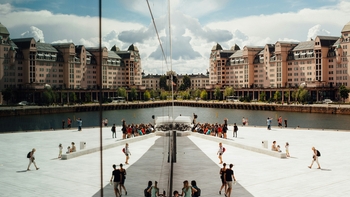
Stavanger is located on Norway’s southwest coast and is the country’s fourth-largest city. The city is known as Norway’s oil capital and has a long and rich history shaped by shipping and industry. This year, Stavanger is celebrating its 900th anniversary.
About the Committee for a Sustainable Nordic Region
The Committee for a Sustainable Nordic Region is one of the Nordic Council’s four specialist committees. It works with issues related to climate, environment, natural resources, energy, and sustainable development. The committee promotes joint Nordic solutions that support the green transition.