Report presents 10 ideas for New Nordic Food
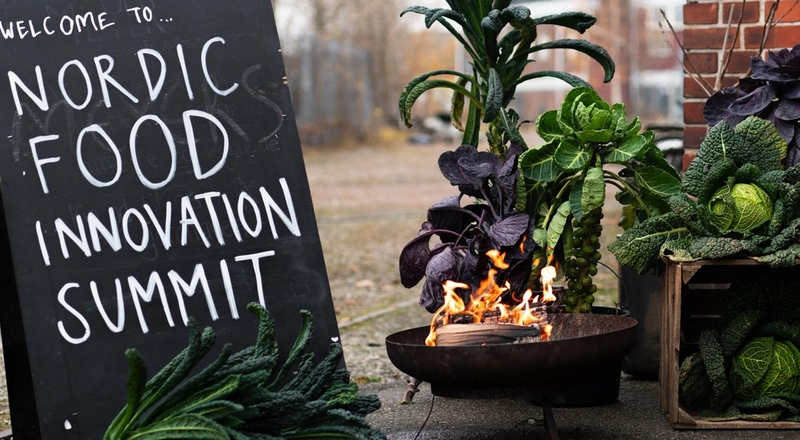
A Nordic curriculum for culinary skills in municipal primary and lower-secondary schools, a Nordic Food Council and strategic dialogue about Nordic legislation are among the initiatives mentioned in the Nordic Council of Ministers’ new report.
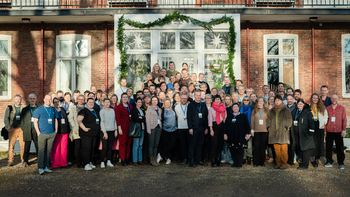
In December, key players from the whole of the Nordic Region converged on Malmö for the Nordic Food Innovation Summit, which marked the 20th anniversary of the publication of the Nordic Food Manifesto. The idea was to draw on their collective experience and creativity, articulate ambitions and propose initiatives to enhance co-operation on food culture and systems.
The takeaways from these discussions are set out in the new report.
The 2004 Manifesto marked the start of a transformation of Nordic food culture. It drew attention to the power of nature, highlighted the quality of local ingredients and presented a vision for healthy, sustainable and tasty cuisine. Two decades on, challenges like climate change and lower standards of food literacy call for new initiatives.
Much-needed transition
Transforming food systems is a prerequisite for achieving the goals laid out in the Nordic vision (Agenda 2030) and the Paris Agreement. The Nordic countries face many of the same challenges in the food sector, and working more closely together could be one of the keys to the preparedness, sustainability and resilience of food systems throughout the Region.
“In times of crises and major geopolitical disruption, shared Nordic ambitions and commitment are important. I would like to thank everybody involved for reinvigorating this movement, which has so much potential for the green transition, health and resilience,” says Karen Ellemann, the Secretary General of the Nordic Council of Ministers.
“Changing the way we produce and consume food is one of the most powerful levers for building societies that are more in harmony with the planet’s limits. In 20 years, we have turned the Nordic Region into a global epicentre for gastronomy and good taste. The time is now ripe for achieving the Nordic food movement’s true goal: a broad, popular food culture that promotes health, community and sustainability and acts as a source of inspiration for the much-needed global transformation of food systems. The ideas put forward in Malmö and published in the report all contribute to that next step,” explains Claus Meyer, the culinary entrepreneur.
“As a movement, New Nordic Food has had a huge impact on the restaurant scene throughout the Region and elevated it to new heights. Adopting the same approach to wider food culture will mean that our day-to-day food and meals will play a greater role in addressing challenges faced by the climate, health and regional resilience. The Innovation Summit in Malmö demonstrated that there is plenty of goodwill and opportunities for Nordic co-operation to elevate food culture in general. The 10 takeaways represent a really good way to approach that work,” adds Judith Kyst, the Madkulturen director.
The Nordic Food Innovation Summit was organised by the Nordic Council of Ministers, Meyers Madhus, Madkulturen and NKJ.
I would like to thank everybody involved for reinvigorating this movement, which has so much potential for the green transition, health and resilience.